
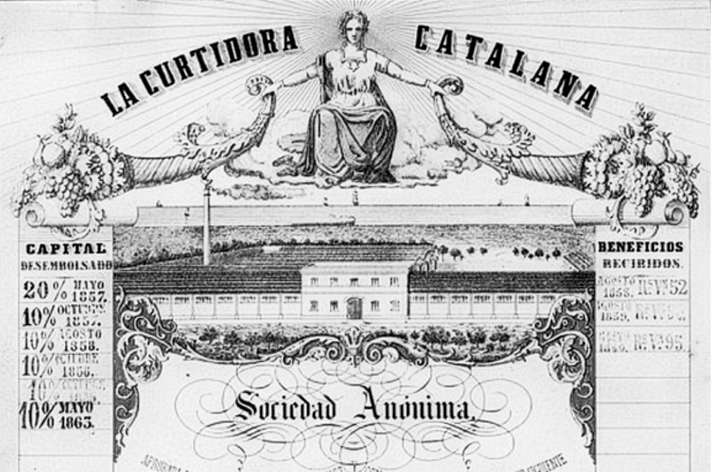


The Catalan Tanner SA,
dedicated to the treatment of leather and tanning.
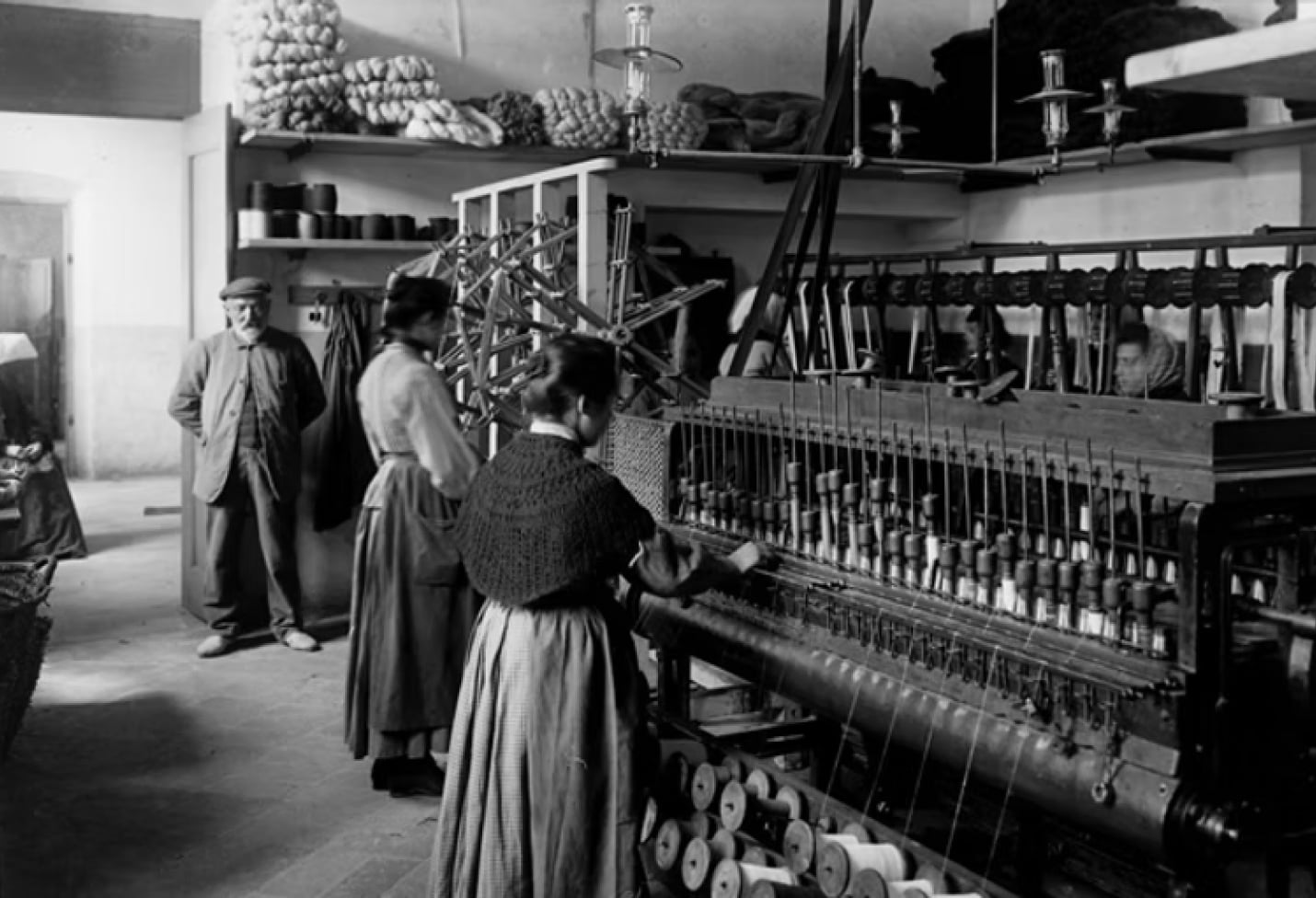
Antoni Vila i Bruguera builds a factory dedicated to the production of woolen yarn for Ramon Gal and Joan Puigsech.
Agustí Coll i Torné acquires the factory and expands it.
Photo by Josep Maria Co i de Triola (AFCEC).
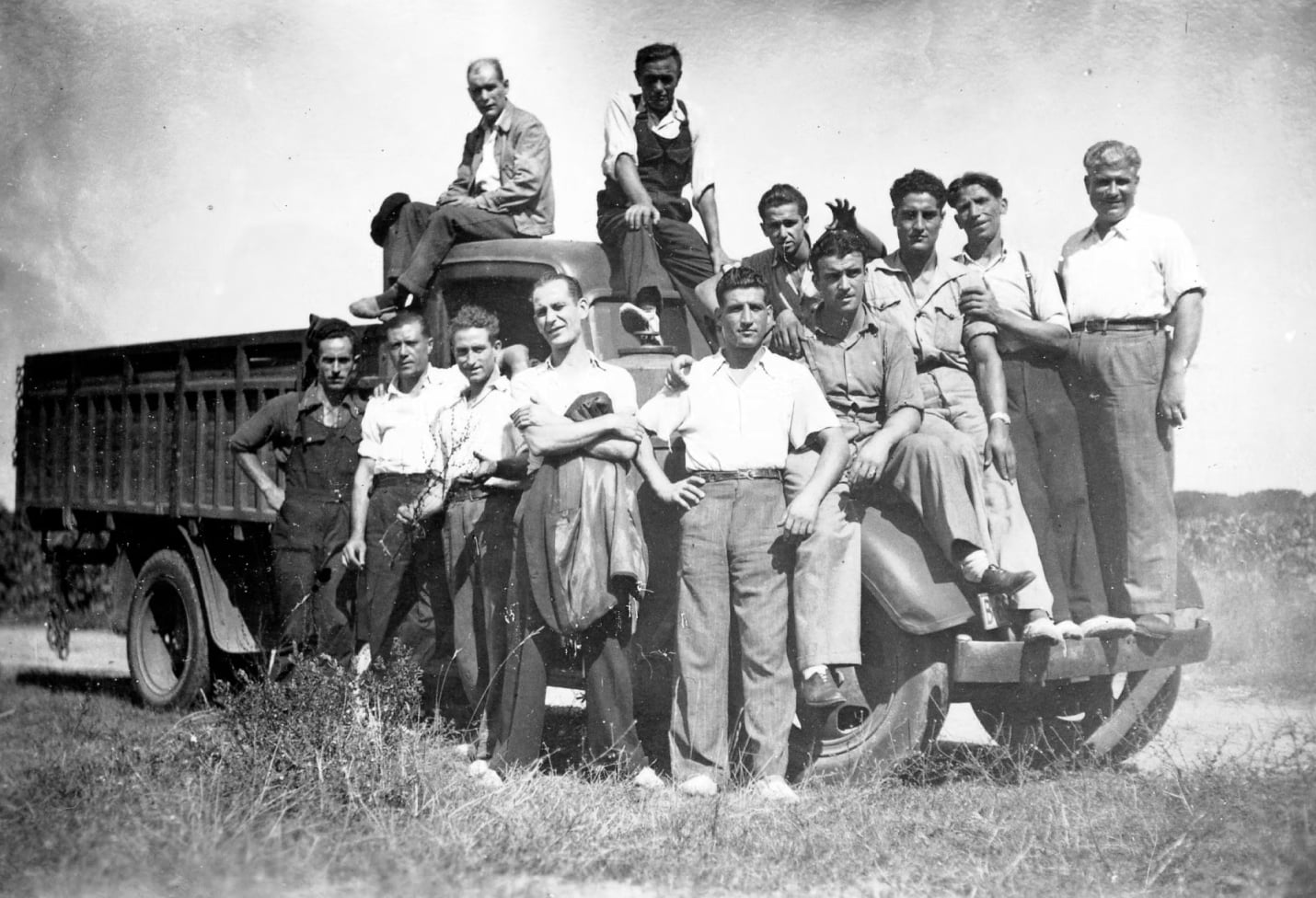
The company Juan Ribas y Cía, dedicated to the manufacture of cotton, acquires the factory
It passed into the hands of August Ramoneda i Riu and he dedicated it to the production of starches, dextrins and glucose.
After the bombings of the Civil War, the Ramoneda company was dissolved and,
since then, little ones
Workshops occupy some parts of the space.
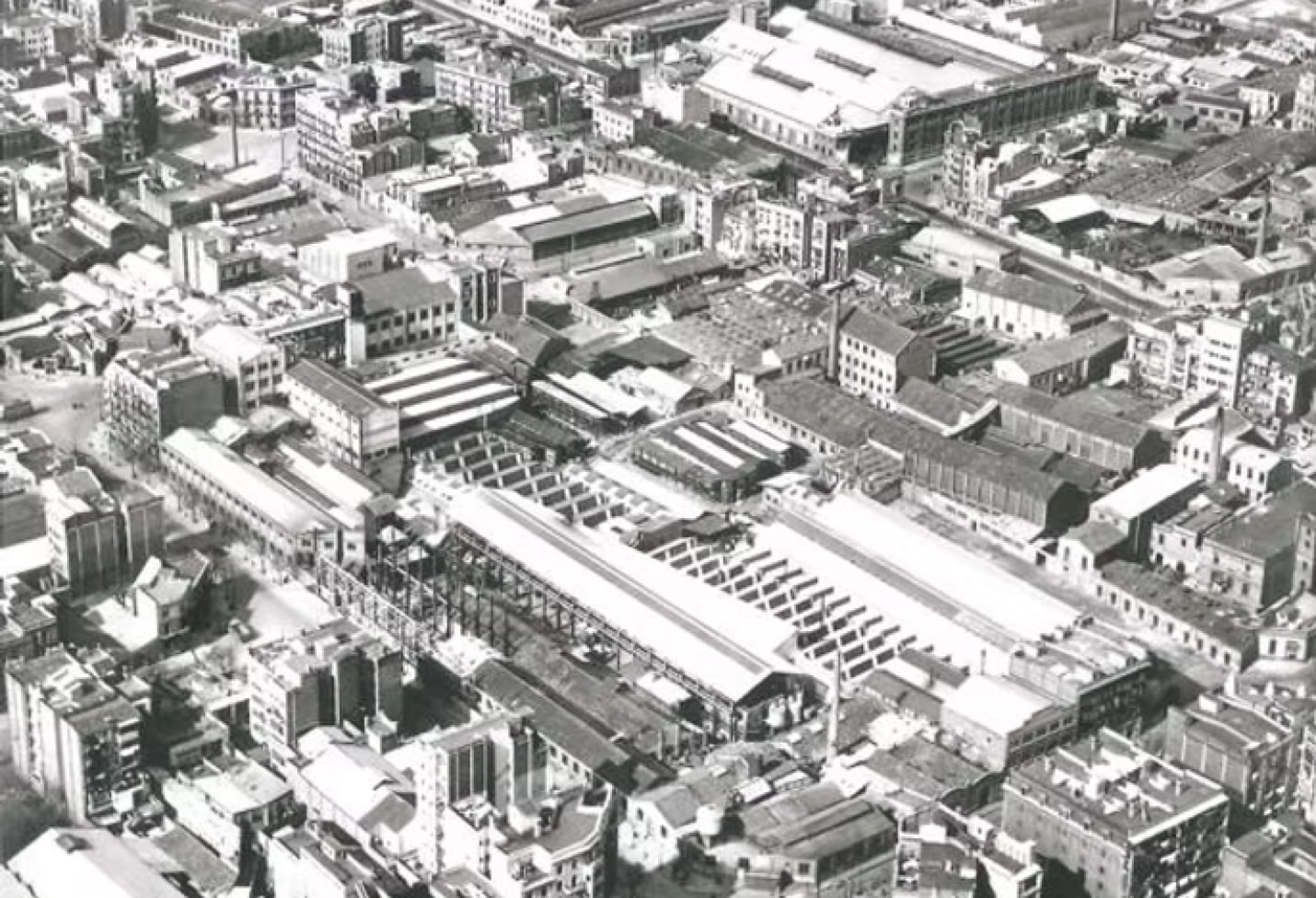
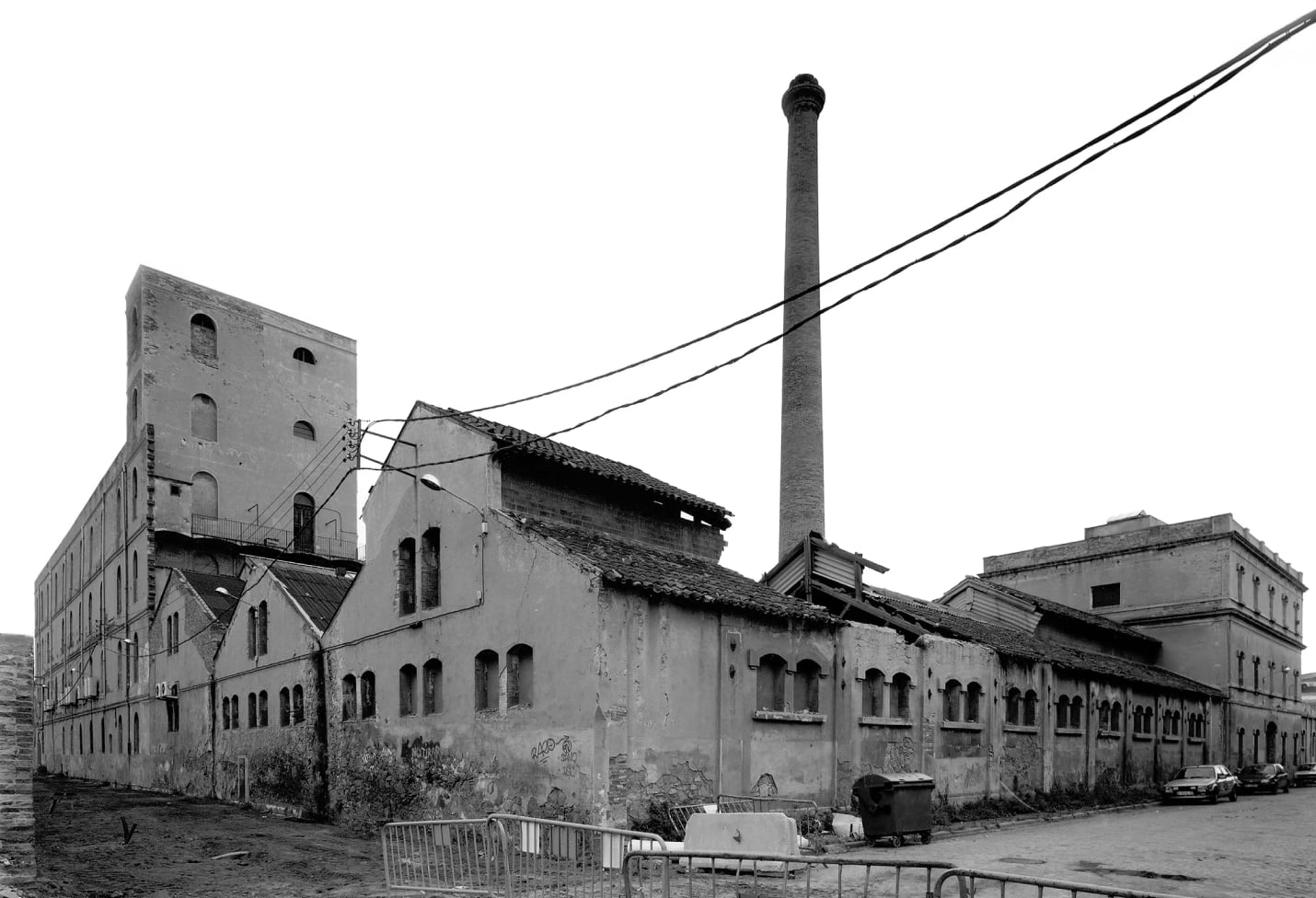
The factory is completely abandoned.
Photo by Xavier Basiana.
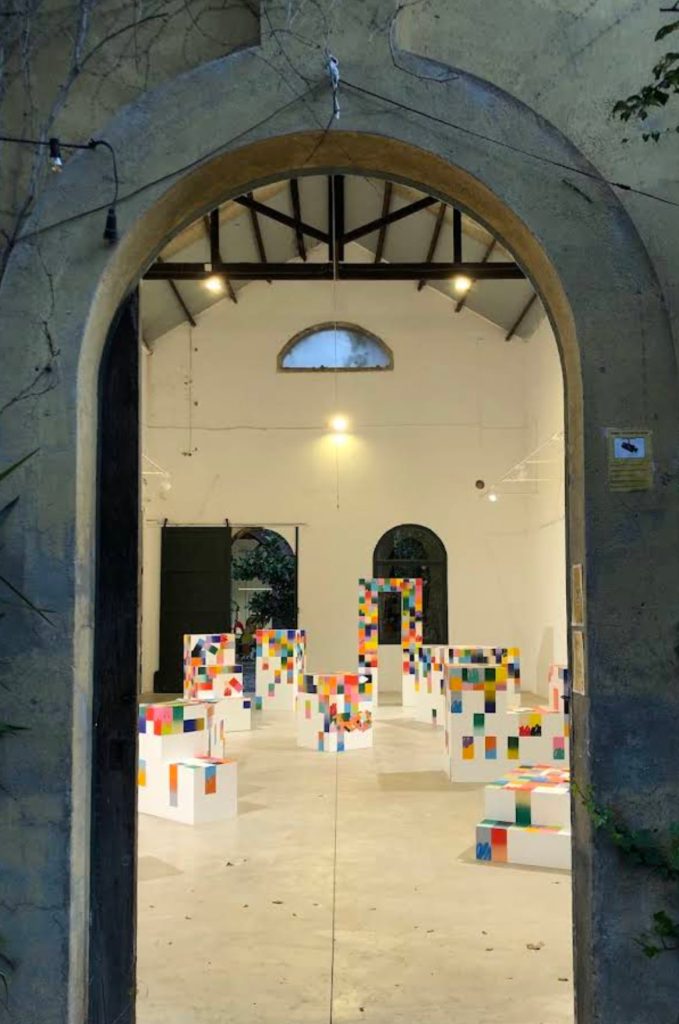
Palo Alto started in 1989 as a space where productions related to photography, design, architecture, painting, sculpture and other creative activities were held.
In 1998 it became a foundation in agreement with the Barcelona City Council, as a Centre for Cultural and Artistic Creation. This consolidated the project, giving it stability to continue with the renovations of the old factory dating back to 1857. Over the last thirty years, more than seventy professionals and companies from the world of the visual arts, communication and industries related to design – from all its aspects – have given shape and content to what is known today as Palo Alto.
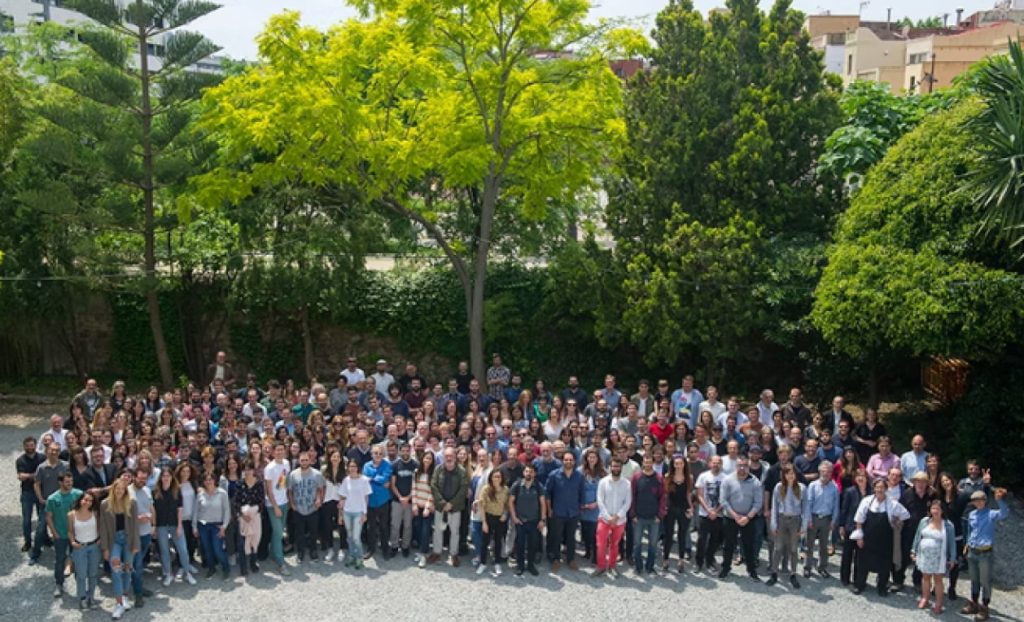
Companies and people from all over the city and other places, both from the rest of Catalonia, from Spain and from a lot of countries, basically European, have participated. The link between all these initiatives and activities has been developed from the world of creativity and with a conception, a bit romantic and transgressive. Within this old factory, they have been able to find the ideal space to develop personally and professionally, turning this space into a place of reference and inspiration.
Palo Alto is home to 15 companies that generate almost 250 direct jobs. Its open, sustainable and healthy environment fosters creativity and improves well-being at work. In 29 years, more than 60 companies have moved there.
The new Palo Alto project is structured around 3 strategic axes:
1. SECTORAL REFERENCE
Develop initiatives and events, turning Palo Alto into a reference and speaker for design and creativity, guiding it towards excellence in digital creation, both locally and globally.
2. OPEN IN THE NEIGHBORHOOD
Palo Alto is a space open to residents of the neighborhood and all of Barcelona. A healthy space with activities for all audiences and linked to neighborhood associations.
3. SUSTAINABILITY
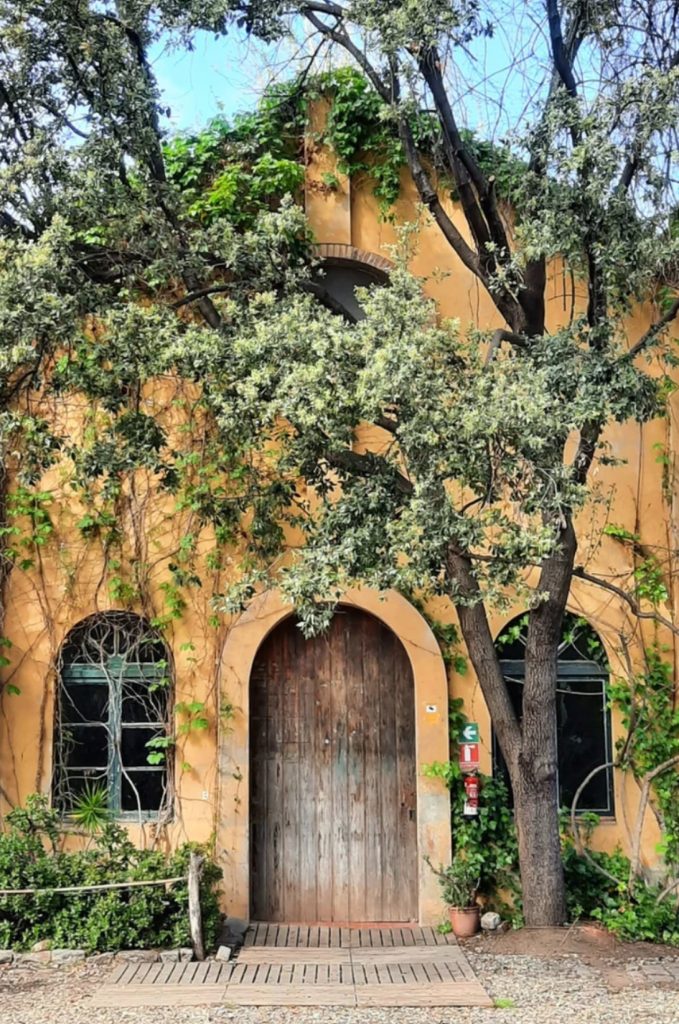
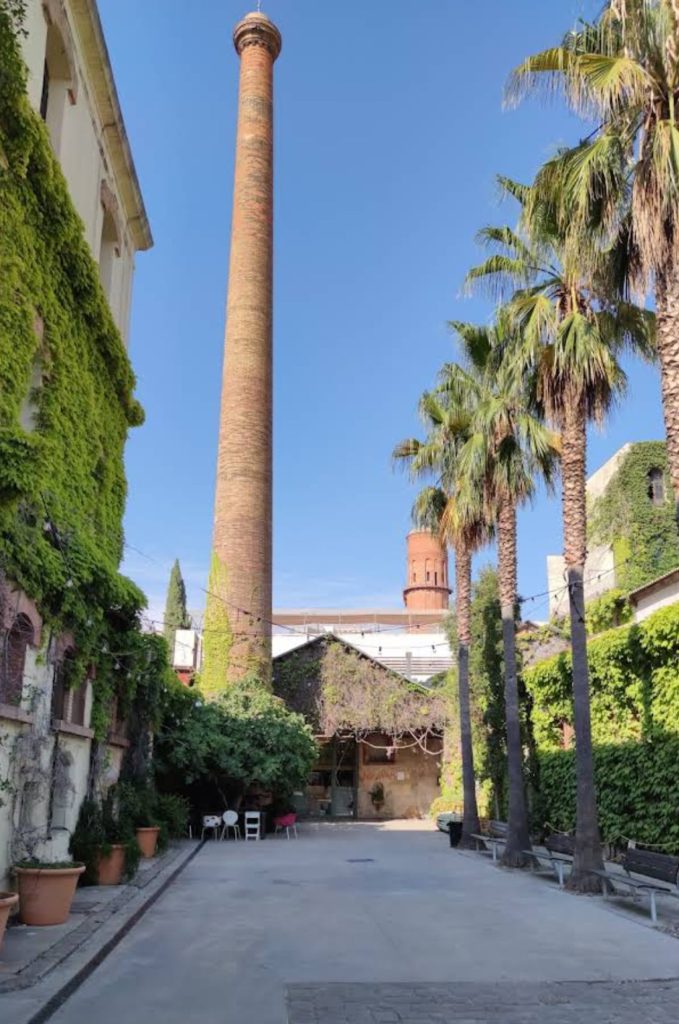
The complex is a true green lung in the neighborhood, a reference in biodiversity for the more than 200 plant species that occupy it, but also a benchmark in sustainable management and conservation of industrial heritage.

Error: No feed found.
Please go to the Instagram Feed settings page to create a feed.
Per oferir les millors experiències, utilitzem tecnologies com les cookies per emmagatzemar i/o accedir a la informació del dispositiu. Donar el consentiment a aquestes tecnologies ens permetrà processar dades com el comportament de navegació o els identificadors únics en aquest lloc. No donar el consentiment, o retirar-lo, pot afectar negativament certes característiques i funcions.
Architect from the Escola Técnica Superior d’Arquitectura de Barcelona and MBA from ESADE Business School, he has an extensive career both locally and internationally, with a professional profile focused on the private sector and professional and non-profit associations.
Lawyer and mediator, member of the Bar Association of Barcelona, specialist in civil and commercial law, degree in law from the Universitat Abat Oliba CEU, CEO from IESE business school and DEA from the University of Barcelona. At present, he mainly deals with corporate and bankruptcy law in commercial companies, and actively participates in associations and non-profit organizations.
Designer, strategist and specialist in growing companies through design, with 35 years of experience. Trained at EINA, Allgemeine Gewerbeschule Basel, IESE and EADA. She is the founder and CEO of the branding agency NOMON DESIGN. Member of the Design Cluster (BCD), she has been a professor at EINA and ESDi, an advisor to ACCIÓ and a member of the board of trustees of Espigoladors and the Advisory Board of TEXIA GROUP. She has been president of the ADP and the ADG-FAD, and is currently part of the FAD Board of Directors.
President of Lead To Change, a consultancy specializing in strategy, innovation and transformation for companies, administrations and universities, based in Barcelona, Boston and Santiago de Chile. Co-founder of 8 Wires, a start-up dedicated to establishing the bridge between Big Data and the Management of organizations. Member of the founding team of Worldcoo, a social economy start-up and five other start-ups. He is part of the boards of directors and innovation committees of several companies. Previously, he has been CEO of companies in different sectors and has had responsibilities in several public projects and universities, including Head of the Cabinet of the Rector of the Polytechnic University of Catalonia and General Director of Localret.
Graduate in Industrial Design, Partner and Founder of Nacar Design where he works with an international team of more than 40 professionals, creatives connected by common projects and challenges, designing and materializing new opportunities. A team made up of design strategists, researchers, product and UX/UI designers, engineers and global creatives in continuous growth to offer the best possible.
Graduated in Political Science and Art History from the Autonomous University of Barcelona, she is currently director of the Barcelona Design Hub and has been responsible for promotion, design and fashion at Barcelona City Council. Previously, she worked in public positions at Molins de Rei City Council as director of People Services and director of Mayoralty and Communication.
Creative Director of the Mariscal studio for many years, he currently directs the company Buganvillasomnis, manager of Palo Market Fest among other projects.
Senior Architect from ETSAB (Barcelona School of Architecture), founding partner of Alonso, Balaguer and Associate Architects. International Architect with offices in Madrid, Andorra, Chile, Colombia and Peru. His projects and works have been awarded several national and international prizes.
Founder of Magma design in 1995. Industrial Designer from ELISAVA (Barcelona University School of Design and Engineering), Bachelor of Arts from the University of Southampton and Graduate in Applied Arts from Escola Llotja. The Magma design studio is very focused on carrying out innovative design projects with high technical requirements, always trying to apply sustainability logics. Its projects have been awarded several national and international prizes.